What does kindness mean to you? If your child has special needs—such as cerebral palsy, autism, Down syndrome, or other developmental disabilities—you likely hope they continue to achieve their goals, dreams, and personal aspirations.
That’s why I’m honored to collaborate with the Matheny Medical and Educational Center to share quotes from individuals in the media and public eye about the importance of kindness, diversity, and inclusion.
We can all gain a valuable life lesson or fresh perspective from engaging with people from all walks of life—including those with different forms and degrees of disability.
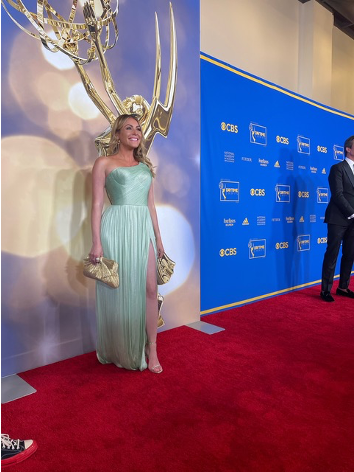
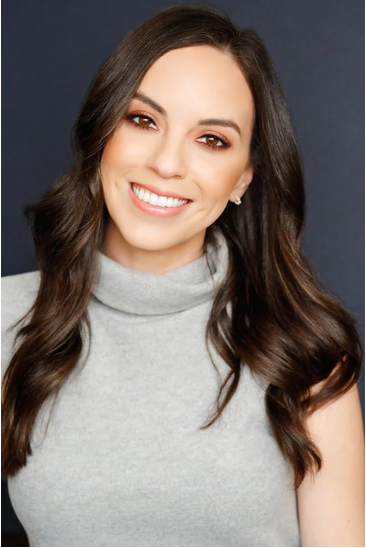
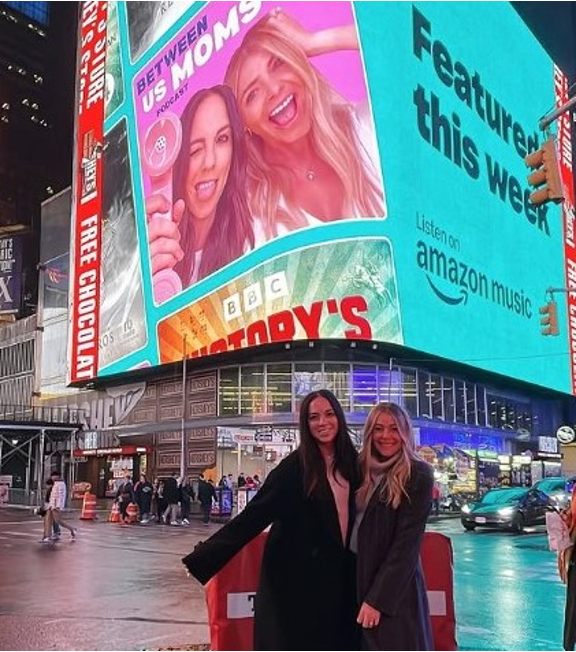
It is such an honor to share my interview with Emmy-winners and the two hosts behind Between Us Moms, with Matheny Medical and Educational Center. I like many of you at Matheny am a participant of the Arts Access Program. Katie Krause Mork, her co-host Hallie Stephens Drake, and I talk about the importance of inclusion and kindness in this exciting interview!
 Meghan F: For both of you, Katie and Hallie: In what ways do you hope to teach your children kindness and empathy toward their peers and future classmates?
Katie Krause Mork: For me, one of the most important lessons I want to instill in my children is to always include others. I want them to look around and notice—really notice—if someone is feeling left out. And if they are, be the one who invites them in. I want my kids to grow up understanding that no one is better than anyone else, and what truly matters is our heart—how we treat people, how we listen, and how we care. We talk about these things daily, and we read books that reinforce kindness, sharing, empathy and love. I also think it’s so important to talk about feelings—how our actions affect others, how to show up with compassion and check on our friends and loved ones!
Hallie Stephens Drake: For me, it all starts with modeling the behavior I want to see. Kids are like sponges. So, in our home, it’s about making kindness and empathy a part of our everyday interactions. This looks like actively listening when my children talk, even when it’s about something seemingly small. It’s about validating their feelings, saying things like, “I understand why you’re feeling frustrated right now,” or “It sounds like you’re really sad about that.” This helps them learn to identify and express their own emotions, and in turn, recognize them in others. We also make a point of noticing and discussing kindness in the world around us. If we see someone helping a neighbor, or even just holding a door for someone, we’ll talk about it. I might ask, “How do you think that made the other person feel?” or “What a thoughtful thing to do!” These little conversations build a foundation for understanding the impact of our actions.
Children’s books are incredible resources for exploring these big ideas in a way that’s relatable for kids. We love finding books that feature characters from diverse backgrounds and experiences. Reading about different cultures and challenges helps my children understand that not everyone’s life is like theirs, fostering a sense of inclusion and curiosity rather than judgment.
Beyond talking and reading, it’s crucial to give them opportunities to practice kindness and empathy in real life. Maybe it’s making cards for a grandparent or participating in a local food drive. These experiences aren’t just about the act itself; they build a sense of connection and show them the positive impact they can have on the world.
Ultimately, my hope is to nurture children who not only understand what kindness and empathy are, but who genuinely feel compelled to act with compassion towards their peers and everyone they encounter. It’s a continuous journey, but a deeply rewarding one!
Meghan F: At Matheny, many of us have physical differences—we use wheelchairs, walkers, or communicate with assistive technology. Some people in many communities may not have had personal exposure to a disabled peer. Why do you believe it’s still so important to take the time to learn about and include someone who may seem different?
Katie Krause Mork: It’s so important to teach our kids that everyone is different—and that it’s something to be embraced. Physical or neurological differences are just one part of a person, and the more we expose our children to inclusive environments, the more natural it becomes for them to see the whole person… and their hearts and their magic. When we make the effort to learn about others, we grow. When we include someone who may communicate or move differently, we’re building a culture of empathy, understanding, and respect. That kind of inclusion benefits everyone!
Hallie Stephens Drake: Every person—regardless of how they move, communicate or interact with the world—has value, perspective and something meaningful to offer. When we only focus on our similarities, we miss out on the beauty of diversity. And when we take the time to understand someone else’s experience, especially when it’s different from our own, we grow in empathy and compassion. At our core, we all have desires for connection, understanding and belonging. While someone might navigate the world with a wheelchair, a walker or through assistive technology, their fundamental human experiences – their joys, their frustrations, their dreams, their humor – are universal. When we take the time to look beyond a physical difference, we discover those common threads, and that’s where true magic happens. Differences should never be a barrier to connection. In fact, they’re often an opportunity—to expand our thinking and create a more inclusive world where everyone feels seen. I want my children to know that inclusion isn’t just about being kind—it’s about recognizing that belonging is a basic human need.
Meghan F: As media professionals, how do you feel people and families with disabilities are portrayed in television and media? What positive progress have you seen in terms of inclusion, and what do you think still needs improvement?
Katie Krause Mork: There has definitely been progress—more representation, more visibility—but we still have a long way to go. It’s so important that people with disabilities are not just shown, but authentically included in media: as lead characters, love interests, heroes, professionals, creators—not just side stories. Representation matters, and the more our kids see people with disabilities reflected in their favorite shows or movies, the more normalized and accepted those differences become in everyday life. I would love to see more creators with disabilities telling their own stories, and more casting choices that reflect the full diversity of our world.
Hallie Stephens Drake: I’ve definitely seen some encouraging progress in how people with disabilities are being represented. There’s a growing awareness that inclusion matters—not just in casting, but in storytelling itself. We’re seeing more characters with disabilities played by actors who share those lived experiences, and more shows and films that treat disability as one part of a full, nuanced life. But there’s still a long way to go. Disability is still vastly underrepresented, and when it is shown, it’s often in narrow ways. We need more complex, honest portrayals of people with disabilities as full participants in life: as friends, parents, professionals, creators. Behind the scenes, inclusion matters too — in writers’ rooms, directing, producing, and shaping the stories being told. That’s how we move from representation to true equity—when people with disabilities have agency not just as subjects, but as storytellers. As someone who works in media and cares deeply about inclusive representation, I see this as both a challenge and an opportunity. The more we normalize disability on screen, the more we help build a world where difference is understood, valued, and reflected back to us all.
This interview reminds us of the importance of kindness, greater understanding and inclusion towards people with disabilities. Hopefully we can all learn to be kind to the people in our communities, schools, social activities and more. What is so great about learning about other people’s life circumstances, is that it teaches people empathy.
Thank you both Katie and Hallie for your reflection on the importance of diversity and kindness towards people with disabilities. It is so exciting to share this interview with the Matheny Medical community.